
Diwali, also known as the Festival of Lights, is one of the most celebrated festivals in India and holds a special place in the hearts of millions. Celebrated by Hindus across the world, Diwali represents the triumph of light over darkness, good over evil, and knowledge over ignorance. Its vibrant traditions and profound significance make it a festival that brings together people of all backgrounds in celebration and gratitude.
What is Diwali, and Why is it Celebrated?
At its core, Diwali symbolizes the victory of good over evil. This theme appears across multiple legends associated with the festival. In Hindu mythology, Diwali marks Lord Rama’s triumphant return to Ayodhya after a 14-year exile and his victory over the king Ravana. The people of Ayodhya, eager to welcome Lord Rama home, are said to have illuminated the city with rows of oil lamps, which gave the festival its name, “Deepavali,” meaning “row of lights.”
Key Traditions and Rituals of Diwali
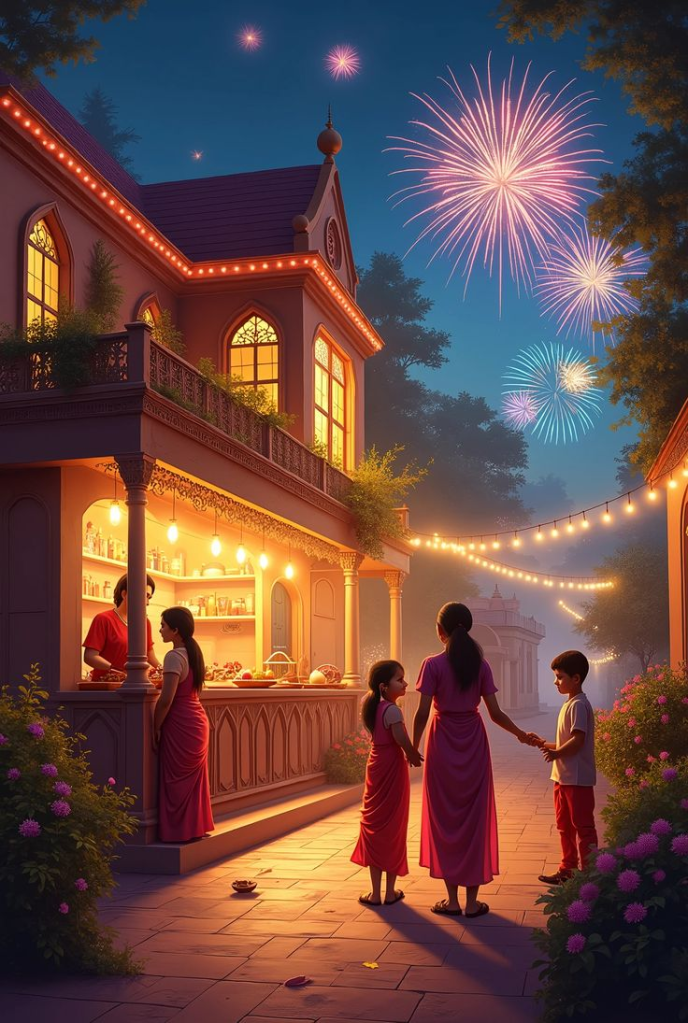
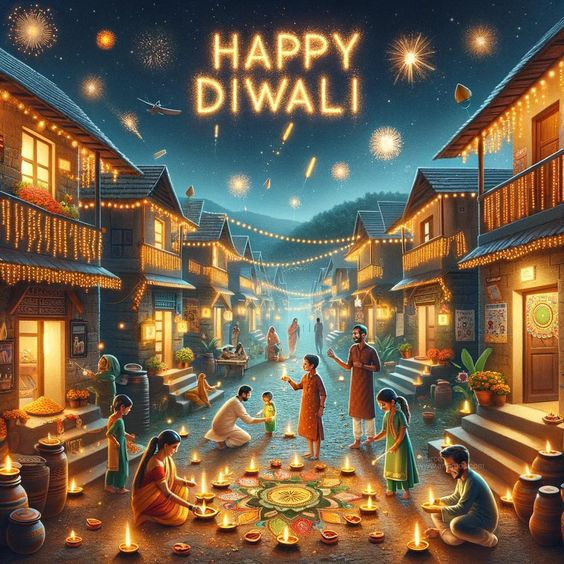
Diwali is celebrated over five days, each carrying its own set of traditions. Families clean and decorate their homes, symbolizing a fresh start. Small oil lamps are placed in homes and public spaces, creating a mesmerizing display of lights. Rangolis, the vibrant designs made from colored powders adorn entrances, while temples and houses echo with the sound of prayers. The night sky lights up with fireworks, and homes are filled with the aromas of special sweets and treats.
Historical and Mythological Background
Diwali’s significance is deeply rooted in ancient stories that vary by region. For instance, in northern India, it commemorates Rama’s return, while in western India, it marks Lord Vishnu’s act of sending the demon king Bali to rule the netherworld. For Sikhs, Diwali celebrates the release of Guru Hargobind from imprisonment, while Jains honor the spiritual liberation of Lord Mahavira. This multifaceted background enriches Diwali’s meaning, making it a celebration of universal values.
Regional Variations Across India
While Diwali’s essence is shared across India, the ways it is celebrated can differ. In West Bengal, for example, Diwali is observed as Kali Puja, dedicated to the goddess Kali. In the south, many families light oil lamps to honor the victory of Lord Krishna over the demon Narakasura. These regional variations showcase the diversity and unity within India’s cultural tapestry.
Diwali’s Modern Lessons and Values
Today, Diwali is more than just a religious celebration, It’s a time for unity, reflection, and renewal. It reminds us of the importance of hope, kindness, and positivity in a world often marked by challenges. As families and friends come together to share in the warmth of the festival, Diwali serves as a powerful reminder of the light that resides within each of us, inspiring everyone to carry forward its message of peace and goodwill.
Penned By:
Rtr. Miyuru Wickramarathna
Editorial Committee Member 24-25

 Rotaract Club of SLIIT
Leave a comment